Our radomes are designed to have minimal effect on antenna RF signals while maintaining structural integrity in different environments, such as subsonic, supersonic, and hypersonic conditions
We work with the customer to design the radome and mount to ensure ease and quick installation
Develop
The overall performance of the radome (and antenna) assembly is optimized by determining the best materials and thickness of the radomes, as well as the location of the antenna within the radome
Our product development process ensures that customer requirements are carefully tracked throughout the design phase of a program
Manufacture
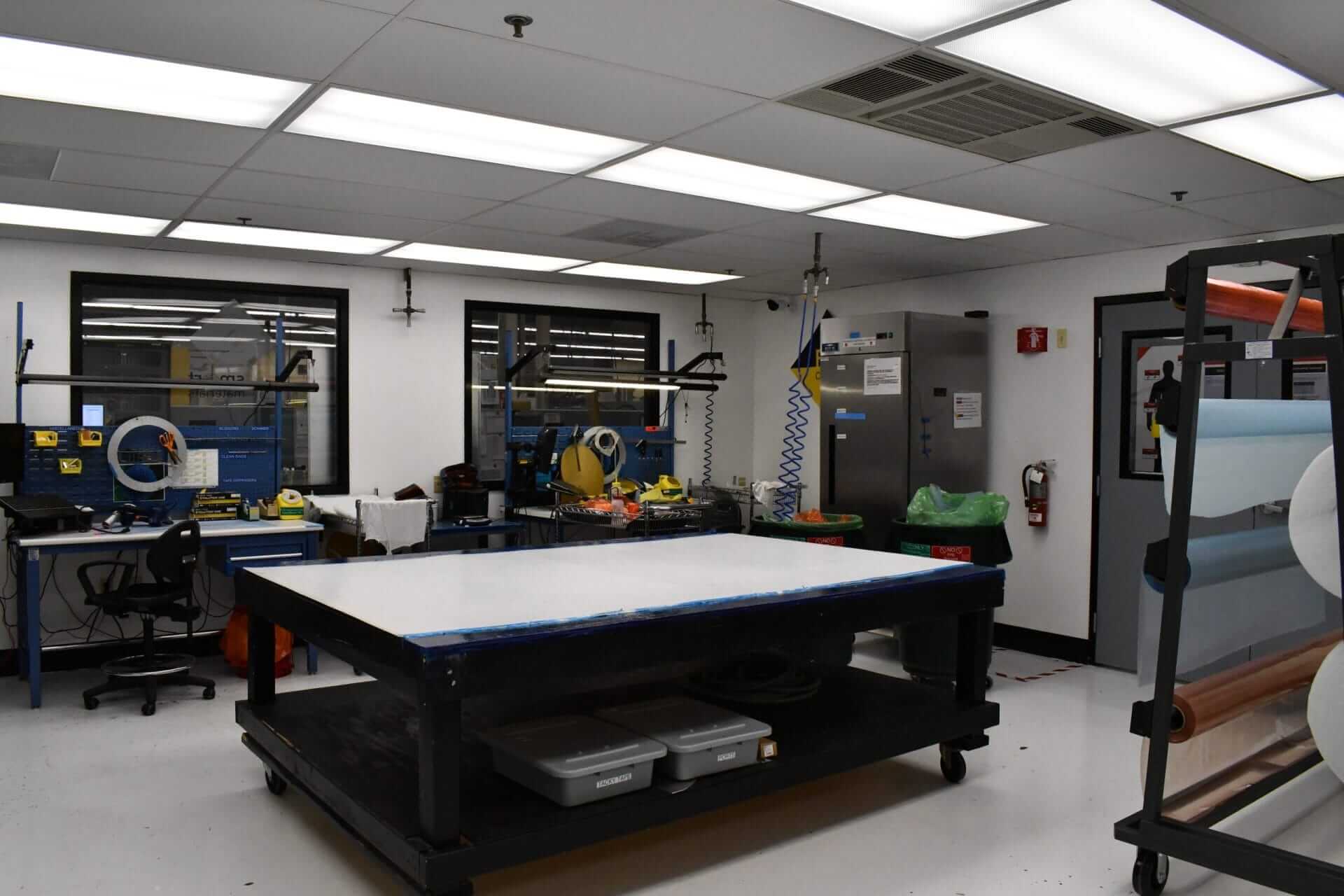
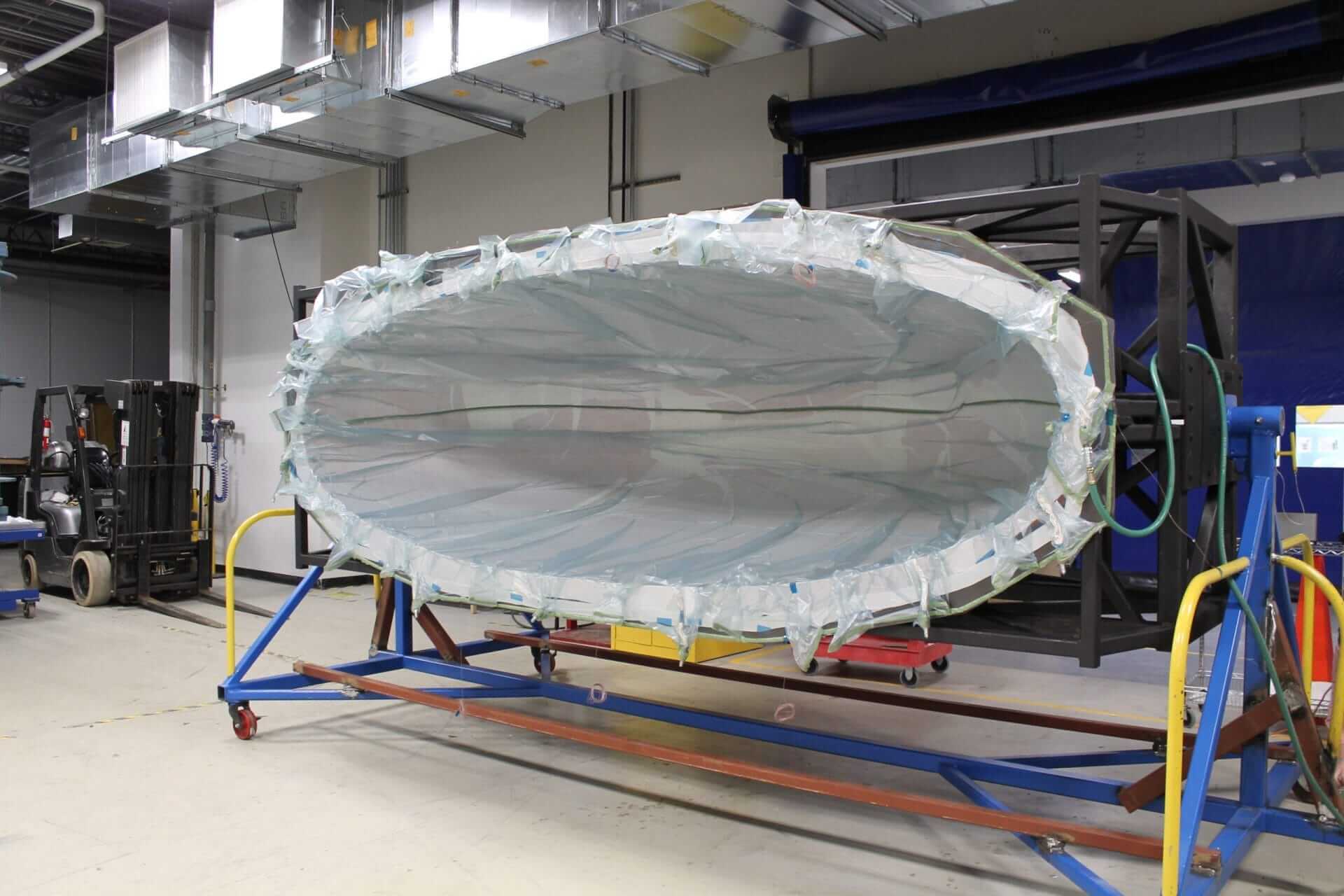
We use highly detailed lay-up and assembly procedures supported by manufacturing engineers to ensure conformance of our product. Engineers also work on process improvement initiatives to leverage new technologies for the benefit of our customers
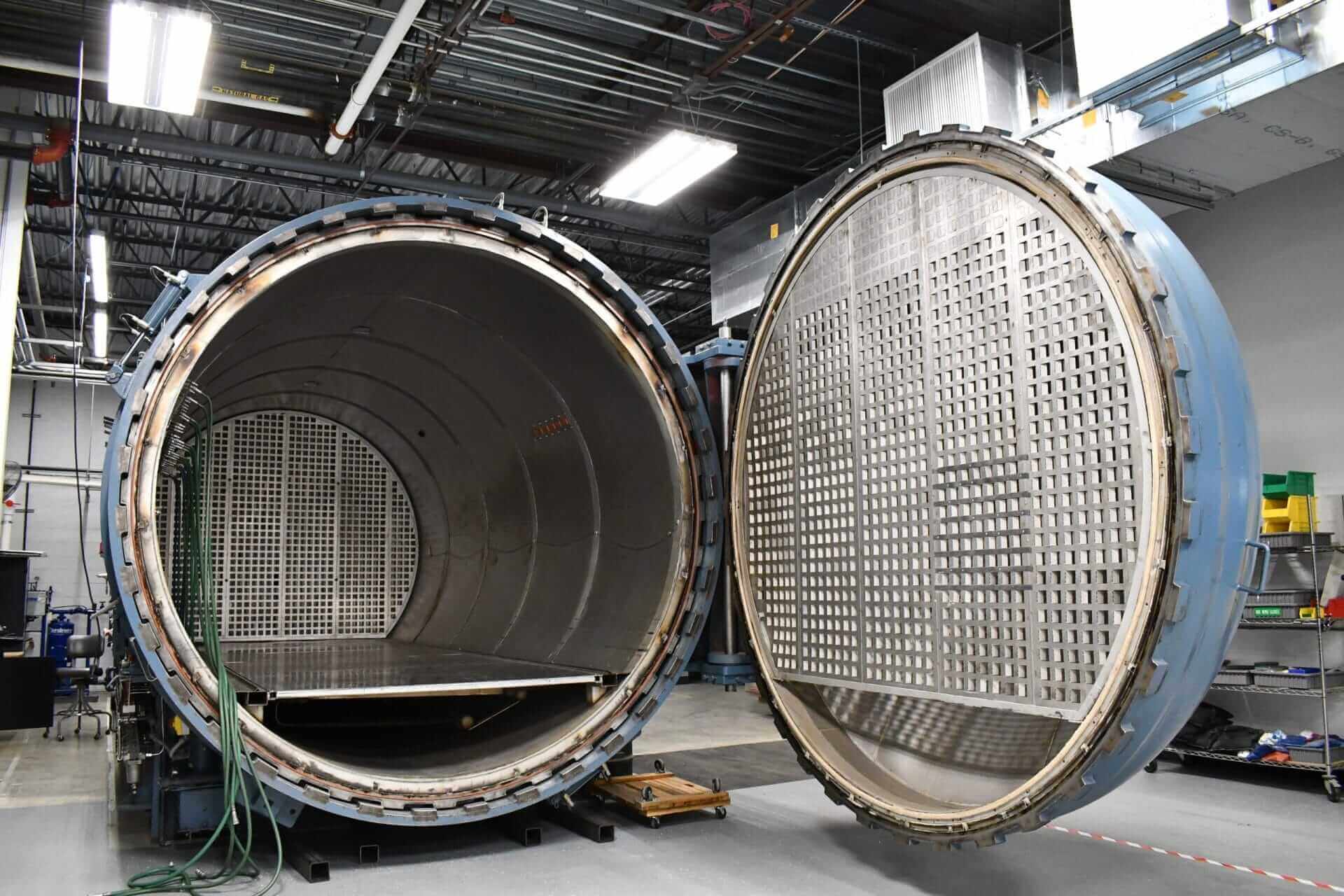
After parts are cured, we perform most post-processing work in house such as machining, assembly, painting, and other finishing applications
Test
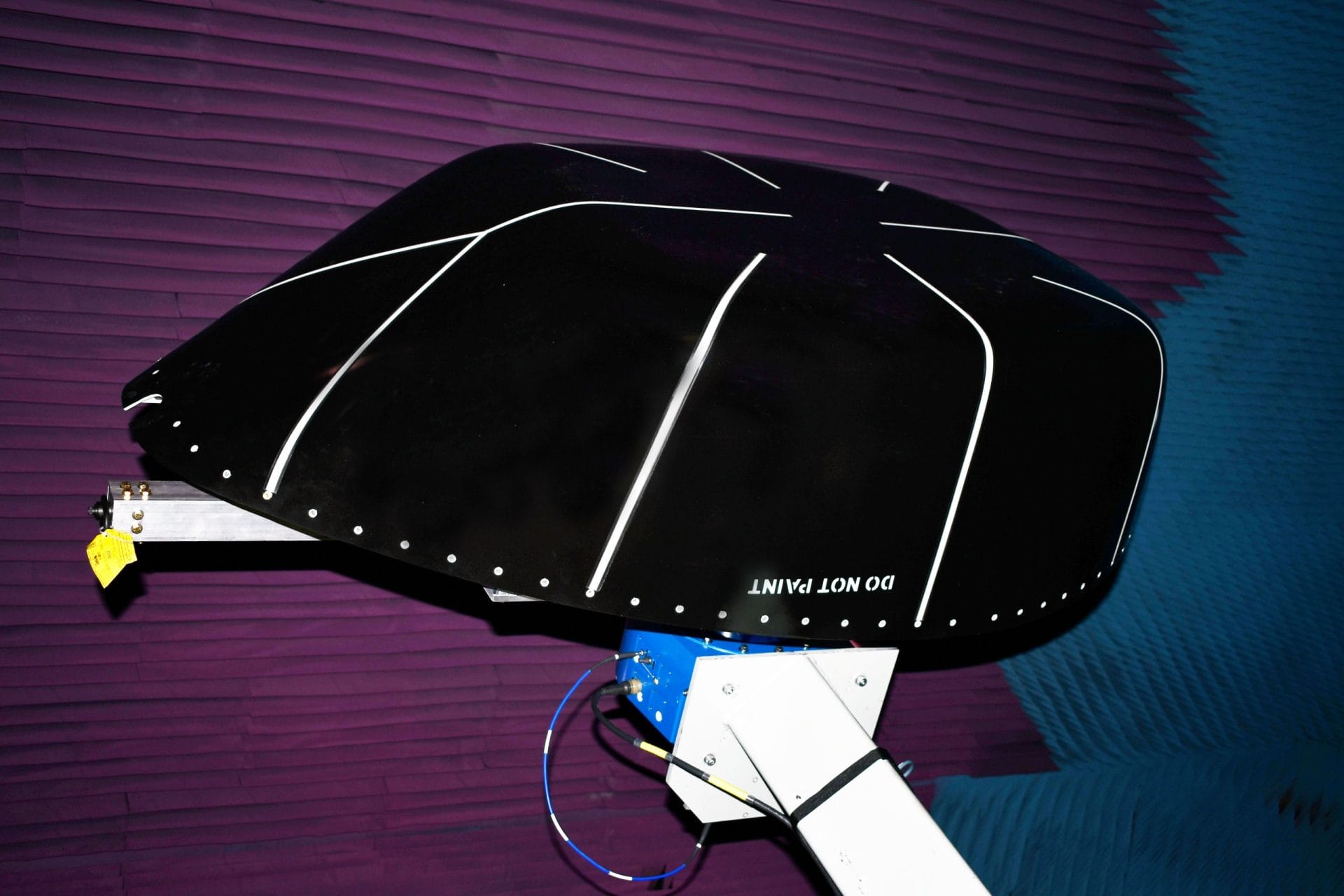
Electrical testing may be accomplished on the full-size ground planes that simulate installation on the actual platform. If the radome reflections are strong or if multiple antennas are under the same radome, an absorber isolation system is used to tune the assembly
Our extensive antenna radiation pattern and gain test facilities operate from 200 MHz to 60 GHz and include outdoor, indoor far-field, and compact range measurement facilities
Built to Fit – and Built to Last
Axillon Radomes Are Integrated Across All Domains
Fixed Wing Aircraft
Legacy fighter jets to next-generation platforms
Rotorcraft
Search and rescue, medical evacuation, and military transport helicopters
Launched Effects and UAVs
Groups 1-5 of unmanned aerial vehicles
Hypersonics
High-temperature applications with harsh environmental requirements
Configurable pods
Aircraft capability enhancers for protection and detection
Surface Ships
Large surface combatants and submersible applications
Fixed and Mobile Radar
C-UAS radars to large, fixed, and mobile arrays for long-range detection